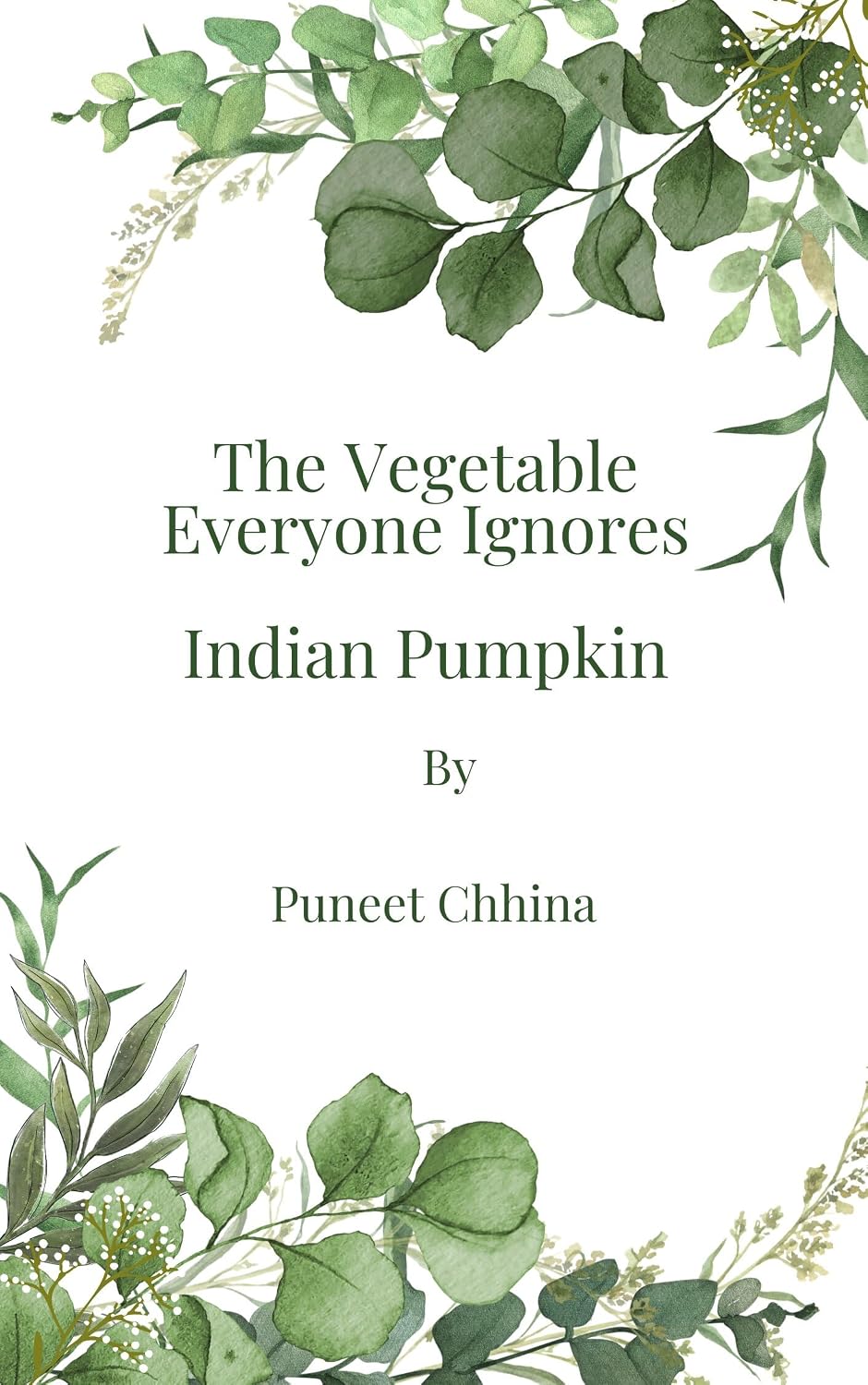
The Vegetable Everyone Ignores (Indian Pumpkin) (English Edition) pdf baixar
por Puneet Chhina



Leia uma amostra
Escolha um formato:
| zip | Baixar grátis |
|---|---|
| rar | Baixar grátis |
| epub | Baixar grátis |
| Baixar grátis | |
| lit | Baixar grátis |
| odf | Baixar grátis |
Descrição do livro
Kaddu, or pumpkin, is a versatile and widely cultivated vegetable belonging to the Cucurbitaceae family. Known scientifically as Cucurbita maxima or Cucurbita moschata, it is an important crop in India due to its adaptability, nutritional value, and diverse uses. It grows as a creeping vine and produces fruits of varying sizes and colors. Originally from Central America, pumpkin has become deeply integrated into Indian agriculture, cuisine, and culture. Botanically, kaddu is an annual plant with long vines, broad leaves, and yellow flowers. It is monoecious, meaning male and female flowers grow on the same plant, and pollination mainly occurs through insects like bees. The fruit is classified as a “pepo,” with a hard outer rind and seeds embedded in fibrous pulp. Its strong root system allows efficient nutrient absorption, making it suitable for intercropping with other crops. Nutritionally, kaddu is highly beneficial. It is rich in vitamins A and C, potassium, fiber, and beta-carotene while being low in calories. These nutrients support vision, immunity, digestion, and overall health. Pumpkin seeds are also nutrient-dense, containing protein, healthy fats, magnesium, zinc, and iron. Agriculturally, kaddu is valued for its low input requirements and high yield. It grows best in well-drained sandy loam soil and thrives in warm temperatures between 20°C and 30°C. In North India, it is typically sown during February–March and June–July. It requires moderate irrigation and benefits from organic fertilizers like compost. Its spreading nature also helps in weed control and soil moisture retention. In cuisine, kaddu is widely used in Indian cooking due to its mild sweetness and soft texture. Popular dishes include kaddu ki sabzi, pumpkin curry, halwa, soups, and stews. It is also used as animal feed in rural areas. Culturally, kaddu holds religious significance in India and is used in rituals to ward off negativity. In traditional medicine systems like Ayurveda, it is valued for its health benefits, including improving digestion, supporting heart health, aiding weight management, and reducing inflammation. Economically, kaddu is a profitable crop with strong market demand. It can be sold fresh or processed into products like puree, seeds, and ready-to-cook items, offering opportunities for food processing businesses. Its longer shelf life reduces post-harvest losses. Environmentally, kaddu supports sustainable farming by reducing soil erosion, conserving moisture, suppressing weeds, and attracting pollinators. However, challenges such as pests, diseases, climate sensitivity, and market fluctuations exist, requiring proper management practices. With growing demand for healthy and organic foods, kaddu has strong future potential. Improved varieties and value-added products are expanding its scope in agriculture and agribusiness. Overall, kaddu is not just a vegetable but a crop of significant agricultural, nutritional, cultural, and economic importance, especially in regions like Punjab.










Autores populares
Icon Group International (402) Publishing lmgdaw (341) Nikolay Krechet (266) Unknown Author (196) Lyudmil Tsvetkov (179) Barrett Williams (166) Kennie B Journals (158) Сергей Каледин (148) Riddler Books (122) ChatGPT ChatGPT (118) NAK Legal Publishing (116) Evgeniia Naumchenko (114) Sharifa McFarlane (97) Jillo Trukudo (96) Quick Witted Coconut (94) Roggie Clark (94) Mint and Cherry Notebooks (93) Marina Buchholz B.Eng (89) Iwona Makara (87) Mary Hirose (87)